炒股就看金麒麟分析师研报,权威,专业,及时,全面,助您挖掘潜力主题机会!
来源:资本战略与创新孵化
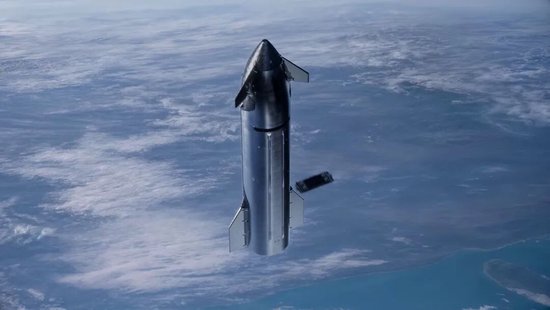
马斯克在其商业帝国IPO前夜的关键战略落子。
SpaceX 正式对外官宣,已完成对xAI的收购。披露信息显示,本次交易中,SpaceX 估值约为 1 万亿美元,xAI 估值约为 2500 亿美元,合并后估值为1.25万亿美金。
此次合并,为马斯克构建无可复制的护城河:形成“发射能力(SpaceX星舰)+通信 *** (星链)+AI大脑(xAI的Grok)”的垂直闭环。这是OpenAI、谷歌等竞争对手短期内无法企及的基础设施维度。也是马斯克对体系内资产整合的重要一环,拼装了一个“AI+太空基础”的宏大图景。
根据马斯克计划, SpaceX将于今年 IPO,此前市场判断目标估值将超过1.5万亿美金,但此番合并后有评论认为估值将冲击 4 万亿美金,名副其实有史以来全球更大 IPO 要来了。合并此举也为超级IPO注入核动力:“火箭发射公司”的故事有边界,但“为人类文明构建太空AI基础设施”的史诗级叙事,能将估值天花板推向极致。
这是一次典型的“现金流(SpaceX)收购想象力(xAI)”操作。它将一个面临现实财务压力的AI故事,装入一个拥有工程实力和现金流基础的太空平台,共同指向一个星辰大海的终极叙事,旨在催生人类历史上规模更大、也更具想象空间的资本盛宴。也为xAI的投资者(如英伟达、富达等)的股份转换为即将上市的SpaceX股票,创造了明确的退出路径。
以下是备忘录中英全文:
xAI joins SpaceX to Accelerate Humanity’s Future
xAI并入SpaceX,加速人类未来进程
SpaceX has acquired xAI to form the most ambitious, vertically-integrated innovation engine on (and off) Earth, with AI, rockets, space-based internet, direct-to-mobile device communications and the world’s foremost real-time information and free speech platform. This marks not just the next chapter, but the next book in SpaceX and xAI‘s mission: scaling to make a sentient sun to understand the Universe and extend the light of consciousness to the stars!
SpaceX已完成对xAI的收购,通过整合AI、火箭技术、天基互联网、直连移动设备通信,以及全球领先的实时信息与自由言论平台,打造地球(及地球之外)上更具雄心、垂直整合程度更高的创新引擎。这不仅是SpaceX与xAI使命的新篇章,更是全新的征程:我们将拓展规模,创造一个能感知的“太阳”来理解宇宙,并将意识之光延伸至星辰!
Current advances in AI are dependent on large terrestrial data centers, which require immense amounts of power and cooling. Global electricity demand for AI simply cannot be met with terrestrial solutions, even in the near term, without imposing hardship on communities and the environment.
当前AI的进步依赖于大型地面数据中心,这些中心需要大量电力和冷却资源。即便在短期内,在不对社区和环境造成负担的情况下,全球AI电力需求根本无法通过地面解决方案满足。
In the long term, space-based AI is obviously the only way to scale. To harness even a millionth of our Sun’s energy would require over a million times more energy than our civilization currently uses!
从长远来看,天基AI显然是实现规模化的唯一途径。即使利用太阳百万分之一的能量,它也比我们文明现有的消耗量多出100万倍以上!
The only logical solution therefore is to transport these resource-intensive efforts to a location with vast power and space. I mean, space is called “space” for a reason. 😂
因此,唯一合乎逻辑的解决方案是将这些资源密集型任务转移到拥有巨大能量和空间的地方。太空之所以被称为“太空”,是有原因的(Space,有空间)。
By directly harnessing near-constant solar power with little operating or maintenance costs, these satellites will transform our ability to scale compute. It’s always sunny in space!
通过直接利用近乎恒定的太阳能,并以极低的运营和维护成本运行,卫星将彻底改变我们扩展计算能力的方式。太空中永远阳光普照!
Launching a constellation of a million satellites that operate as orbital data centers is a first step towards becoming a Kardashev II-level civilization, one that can harness the Sun’s full power, while supporting AI-driven applications for billions of people today and ensuring humanity’s multi-planetary future.
发射一个由100万颗卫星组成的星座,使其作为轨道数据中心运行,这是迈向卡尔达肖夫Ⅱ型文明的之一步。这个文明能够利用太阳的全部能量,同时为当今数十亿人提供AI驱动的应用支持,并保障人类的多行星未来。
Orbital Data Centers 轨道数据中心
In the history of spaceflight, there has never been a vehicle capable of launching the megatons of mass that space-based data centers or permanent bases on the Moon and cities on Mars require. Even in 2025, the most prolific year in history in terms of the number of orbital launches, only about 3000 tons of payload was launched into orbit, primarily consisting of Starlink satellites carried by our Falcon rocket.
在航天史上,还从未有过能够发射百万吨级质量载荷的运载工具,以支撑天基数据中心、月球永久基地或火星城市所需。即便在轨道发射次数创历史新高的2025年,全年送入轨道的有效载荷也仅约3000吨,而且主要是猎鹰火箭发射的星链卫星。
The requirement to launch thousands of satellites to orbit became a forcing function for the Falcon program, driving recursive improvements to reach the unprecedented flight rates necessary to make space-based internet a reality. This year, Starship will begin delivering the much more powerful V3 Starlink satellites to orbit, with each launch adding more than 20 times the capacity to the constellation as the current Falcon launches of the V2 Starlink satellites. Starship will also launch the next generation of direct-to-mobile satellites, which will deliver full cellular coverage everywhere on Earth.
将数千颗卫星送入轨道的需求,曾是推动猎鹰计划发展的强制动力,通过递归式改进实现了前所未有的发射频率,才使天基互联网成为现实。今年,星舰将开始向轨道运送性能更强大的V3版星链卫星,单次发射为星座增加的容量,将超过目前猎鹰火箭发射V2版星链卫星的20倍。星舰还将发射下一代直连移动设备卫星,为地球每个角落提供全面的蜂窝 *** 覆盖。
While the need to launch these satellites will act as a similar forcing function to drive Starship improvements and launch rates, the sheer number of satellites that will be needed for space-based data centers will push Starship to even greater heights. With launches every hour carrying 200 tons per flight, Starship will deliver millions of tons to orbit and beyond per year, enabling an exciting future where humanity is out exploring amongst the stars.
虽然发射这些卫星的需求将同样成为驱动星舰改进与发射频率的强制动力,但天基数据中心所需的卫星数量之庞大,将把星舰推向更高维度。按每小时一次、每次200吨的发射频率计算,星舰每年可将数百万吨物资送入轨道及更远深空,从而开启人类探索星海的激动未来。
The basic math is that launching a million tons per year of satellites generating 100 kW of compute power per ton would add 100 gigawatts of AI compute capacity annually, with no ongoing operational or maintenance needs. Ultimately, there is a path to launching 1 TW/year from Earth.
基本计算逻辑是这样:若每年发射百万吨卫星,每吨卫星提供100千瓦算力,则每年可新增100吉瓦的AI算力,且无需持续运营和维护。最终,地球将具备每年向太空输出1太瓦算力的路径。
My estimate is that within 2 to 3 years, the lowest cost way to generate AI compute will be in space. This cost-efficiency alone will enable innovative companies to forge ahead in training their AI models and processing data at unprecedented speeds and scales, accelerating breakthroughs in our understanding of physics and invention of technologies to benefit humanity.
我估计,在未来2到3年内,生成AI算力的更低成本方式将是在太空。仅这种成本效益优势,就足以推动创新企业以前所未有的速度和规模训练AI模型、处理数据,从而加速对物理学理解的突破,并发明造福人类的技术。
This new constellation will build upon the well-established space sustainability design and operational strategies, including end-of-life disposal, that have proven successful for SpaceX’s existing broadband satellite systems.
这一新星座将建立在成熟的太空可持续性设计与运营策略之上,包括已通过SpaceX现有宽带卫星系统验证的报废处置方案。
While launching AI satellites from Earth is the immediate focus, Starship’s capabilities will also enable operations on other worlds. Thanks to advancements like in-space propellant transfer, Starship will be capable of landing massive amounts of cargo on the Moon. Once there, it will be possible to establish a permanent presence for scientific and manufacturing pursuits. Factories on the Moon can take advantage of lunar resources to manufacture satellites and deploy them further into space. By using an electromagnetic mass driver and lunar manufacturing, it is possible to put 500 to 1000 TW/year of AI satellites into deep space, meaningfully ascend the Kardashev scale and harness a non-trivial percentage of the Sun’s power.
虽然目前的重点是从地球发射AI卫星,星舰的能力也将支持其他星球的开发。得益于在轨推进剂加注等关键技术突破,星舰将能够向月球运送大量货物。一旦在月球建立永久基地,科学研究和工业生产便成为可能。月球工厂可利用本地资源制造卫星,并将其部署至更遥远的深空。通过电磁质量投射器与月球制造相结合,人类每年有望向深空部署500至1000太瓦的AI卫星,这将推动人类文明在卡尔达肖夫等级上实现实质性攀升,大幅提高太阳能的有效利用比例。
The capabilities we unlock by making space-based data centers a reality will fund and enable self-growing bases on the Moon, an entire civilization on Mars and ultimately expansion to the Universe.
我们通过实现天基数据中心所释放的能力,将为月球自成长基地、火星完整文明乃至最终的宇宙扩张提供资金与技术支撑。
Thank you for everything you have done and will do for the light cone of consciousness.
感谢你们已经并即将为“意识光锥”所做的一切。
Ad Astra! 奔向星辰。
Elon 埃隆
